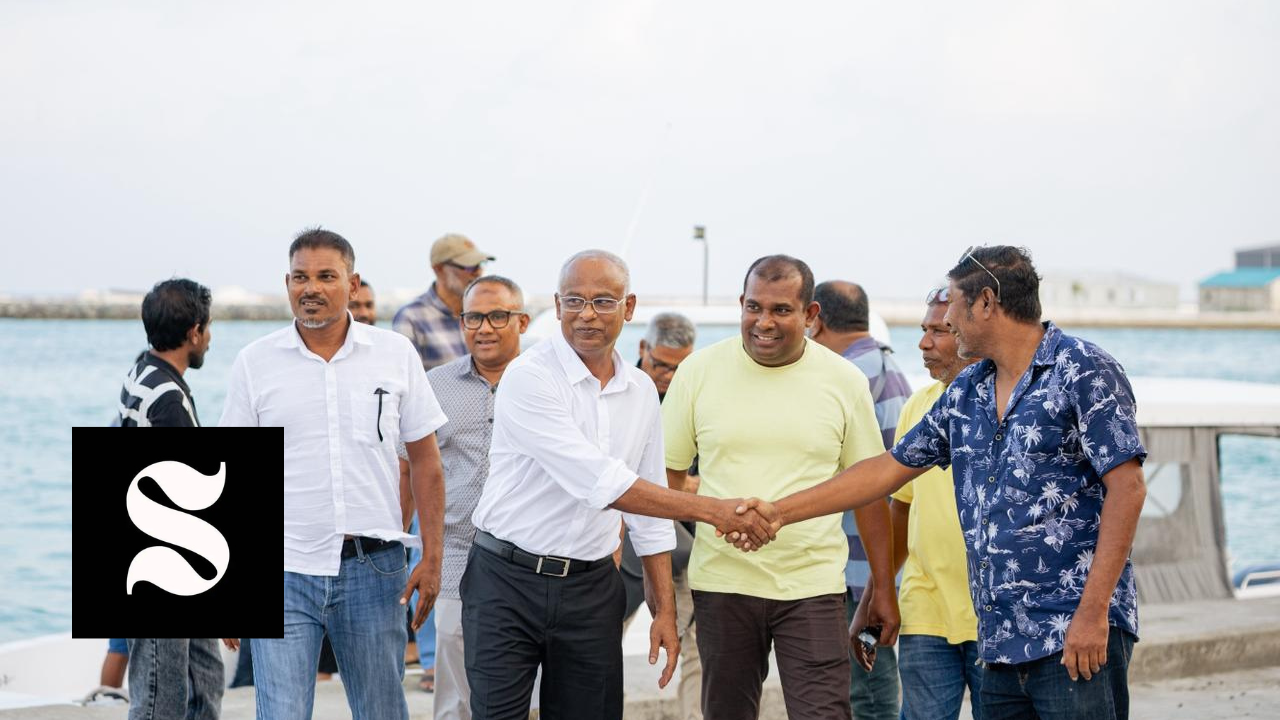
Ibrahim Mohamed Solih, the veteran politician affectionately known as “Ibu,” concluded his five-year term as the 7th President of the Maldives on November 17, 2023. As a cornerstone of the Maldivian Democratic Party (MDP), Solih’s presidency was defined by a steady hand during global crises and a steadfast commitment to decentralizing the archipelago’s infrastructure. While his tenure saw significant strides in social and diplomatic arenas, it also navigated the turbulent winds of post-pandemic economics and shifting geopolitical alliances.

Solih’s path to leadership began in Hinnavaru on the Lhaviyani Atoll, where he was born on May 4, 1964. One of 13 children, he pursued his education at Karnataka University in India before finding his true calling in the halls of the People’s Majlis. For 15 years, Solih served as a parliamentarian representing his home constituency, earning a reputation as a calm, consensus-building reformer. He was a pivotal figure in the Special Majlis that drafted the 2008 Constitution, a landmark document that dismantled decades of autocratic rule and paved the way for a multi-party democracy.
Assuming the presidency in 2018 as a joint opposition candidate, Solih promised a return to democratic norms and established a “First India” foreign policy. His administration aggressively pursued infrastructure projects, focusing on providing essential water and sewerage systems to remote islands—services that had been largely neglected by previous administrations. On the social front, he introduced a landmark free-degree program for Maldivian students and championed the National Youth Policy. His diplomatic efforts were equally transformative, as he restored ties with the Commonwealth and strengthened regional partnerships.

However, Solih’s leadership was most profoundly tested by the COVID-19 pandemic. Under his guidance, the Maldives became one of the first nations to achieve universal vaccination, a feat that allowed the vital tourism sector to rebound more quickly than many of its regional neighbors. Despite these successes, his government faced mounting criticism over rising national debt and fiscal management. These economic concerns, coupled with debates over foreign policy, became central themes for his detractors and defined much of the political discourse toward the end of his term.


The 2023 presidential election ultimately marked the conclusion of the Solih era. In a closely watched runoff, Solih was defeated by Mohamed Muizzu, the Mayor of Malé and candidate for the People’s National Congress (PNC). The election was widely viewed as a referendum on Solih’s economic health and his administration’s diplomatic leaning. Following the results, Solih gracefully conceded and facilitated a peaceful transition of power—a hallmark of the democratic stability he spent his career building. He leaves behind a legacy of a more connected and democratically resilient Maldives, even as the nation pivots toward a new political chapter.