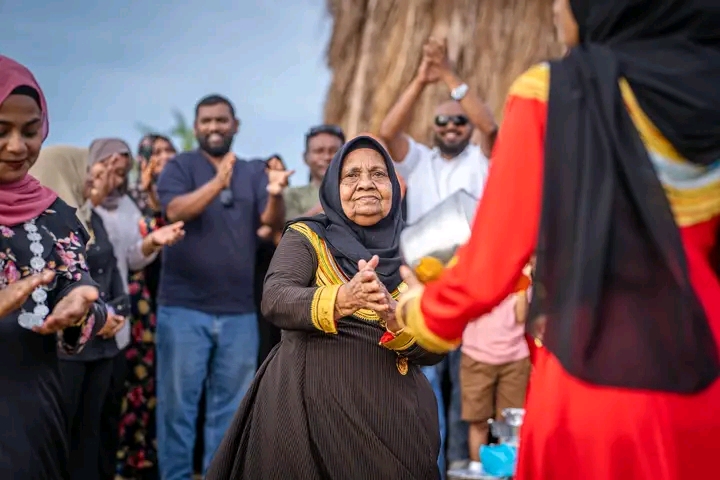
MALE, Maldives — The Maldives transformed into a vibrant tapestry of cultural heritage and spiritual unity as communities across the archipelago gathered to celebrate Eid. From the bustling streets of the capital city, Malé, to the quiet shores of the outer atolls, the island nation marked the occasion with a distinct blend of deep-rooted Islamic traditions and lively, centuries-old local customs that brought families and visitors together in a grand display of solidarity.
The celebrations commenced in the early morning with thousands of worshippers, dressed in their finest new clothes, converging on open fields, beaches, and local mosques for the special congregational Eid prayers. Following the sermons, a joyous atmosphere swept through the islands as people exchanged warm embraces and greetings of “Eid Mubarak.” In keeping with longstanding hospitality, families returned home to indulge in a traditional festive breakfast featuring kulhi boakibaa (spicy baked fish cakes) and bondibaiy (sweetened rice pudding), while children excitedly collected Eidi—monetary gifts and goodie bags distributed by elders to mark the joyous day.
As the afternoon heat cooled, the festivities shifted toward spectacular cultural revivals, particularly on the local inhabited islands. The rhythmic, hypnotic beats of boduberu (traditional big drums) echoed across the shores, providing the soundtrack for historic folklore performances. Spectators gathered to witness Bodu Mas (Big Fish), a spectacular street pageant where a giant fish woven entirely from coconut palm leaves is carried through the village in a theatrical battle between islanders and a mythical sea monster. This was accompanied by Maali Neshun, a procession where participants painted in charcoal and adorned in leaves danced as ancient spirits, alongside Koadi Kendun, a highly competitive community game centered around a decorated wooden structure.
The spirit of togetherness extended to the country’s luxury resorts, which seamlessly bridged the gap between modern luxury and local heritage. Many properties hosted lavish beachside Malaafaiy dinners—where traditional Maldivian curries and international delicacies were served from large, beautifully lacquered circular platters under the stars—allowing global travelers to immerse themselves in the island’s authentic culture. Government-led initiatives, including vehicle-free hours in the capital, vibrant children’s evening festivals, and dazzling nighttime fireworks, ensured that the holiday remained inclusive, emphasizing the message of kindness, charity, and cultural preservation across the Maldives.
Related